
Best High-Quality Fabric Construction for Scripture Designs
Table of Contents
- Why Fabric Construction Decides How Long Scripture Designs Last
- What Counts as High-Quality Fabric Construction
- The Best Fabric for Christian Apparel: Matching Fiber to Everyday Wear
- How to Tell If a T-Shirt Is High Quality Before You Buy
- Print Placement and Scripture Readability on Fabric Panels and Yardage
- Screen-Printed Shirt Care Instructions That Protect the Design
- One Fabric, Many Projects: Apparel, Quilting, Home Decor, and Nursery Decor
- Conclusion: Wear the Word with Confidence
- Frequently Asked Questions
Last Updated: October 16, 2026
Why Fabric Construction Decides How Long Scripture Designs Last
The best scripture designs fabric construction is tightly knit, combed ring-spun cotton, because a dense, even surface holds print detail and resists the cracking that ruins a design after a few washes. This guide from Marble Suspended in Space walks through what actually matters when you pick a garment: fiber, knit density, fabric weight, and print placement.

Here is the honest truth most shoppers learn the hard way. A great verse printed on a loose, thin knit will fade and crack long before the cotton wears out. The fabric decides the lifespan, not the artwork.
So how do you spot the difference before you spend money? Start with these basics:
- Tightly knit fabric holds crisp print lines
- Combed ring-spun cotton feels smoother than standard cotton
- Higher fabric weight usually means more durability
- Reinforced seams outlast single-stitched ones
The Federal Trade Commission's textile and wool labeling rules require accurate fiber content on garment labels, so always read that tag before you buy.
What Counts as High-Quality Fabric Construction
Fabric construction is how a textile is built, including the fiber used, how the yarn is spun, and how tightly it is knit or woven. Construction decides how a garment feels, how long it lasts, and how well it holds a printed design.

A few terms matter here. GSM stands for grams per square meter, a measure of fabric weight. Thread count describes how many threads are packed into a square inch. Weave refers to how those threads cross each other.
Tighter construction gives a smoother surface. That smoothness is exactly what crisp scripture text needs.
The Best Fabric for Christian Apparel: Matching Fiber to Everyday Wear
The best fabric for Christian apparel depends on how you plan to wear it, and the honest answer is that fiber alone does not decide quality. Two shirts can both say "100% cotton" on the label and behave completely differently, because yarn spinning and knit construction sit between the fiber and the finished garment.

Start with the fiber, then judge the construction.
- 100% cotton: soft, breathable, prints well, may shrink. Look for combed or ring-spun yarn rather than open-end yarn, which is rougher and pills faster.
- Cotton blends (usually cotton/polyester): less shrinkage, faster drying, slightly less breathable. A 60/40 or 50/50 blend holds shape longer than pure cotton but can feel slicker.
- Organic cotton: same hand-feel as conventional cotton when the yarn and knit match, grown without synthetic pesticides. The fiber content does not change how the print sits on the surface.
- Bamboo (usually rayon from bamboo): very soft and breathable, but the fiber is weaker when wet, so it tends to pill and lose shape sooner under frequent washing.
- Tencel (lyocell): smooth, moisture-wicking, drapes well, often pricier. It takes print cleanly but needs gentler care than cotton.
- Recycled polyester: durable, quick-drying, holds color well, but traps heat and can feel less breathable against skin.
For a garment you will reach for weekly, cotton or a cotton-heavy blend is the safer bet. For a piece meant to travel or dry fast, a blend earns its place.
Fiber Trade-Offs: Cotton, Blends, and Recycled Polyester
Each fiber makes a different promise, and the trade-off usually shows up in one of four places: breathability, shape retention, print longevity, and care burden.
- Pure cotton wins on comfort and printability. It loses on shrinkage and wrinkle resistance, which is why prewashing matters before you sew or quilt with it.
- Cotton/poly blends win on shape retention and drying speed. They lose a little breathability, and some blends print with a slightly duller finish because the ink sits differently on the two fibers.
- Recycled polyester wins on durability and colorfastness. It loses on breathability, and it can feel warmer than cotton in humid weather.
A practical way to think about it: pick the fiber for how the garment will be worn, then pick the construction for how the print will survive.
When you inspect a garment or a bolt of fabric, check the yarn first. Combed ring-spun yarn has fewer short fibers sticking out, so the surface is smoother and the print edges stay crisp.
How to Tell If a T-Shirt Is High Quality Before You Buy
You can tell if a t-shirt is high quality by checking four things: fabric weight, knit density, seam construction, and the collar. Do this before you buy, not after the first wash.
Start with the feel. A quality tee feels dense but not stiff.
Then check the details:
- Hold it to light. If you can see through it easily, the knit is loose.
- Stretch the fabric gently. It should spring back, not stay stretched.
- Look at the seams. Double-needle stitching lasts longer than single.
- Check the collar. A ribbed collar with stretch fiber resists stretching out.
- Read the label. Fiber content tells you how it will wash.
A common mistake is judging quality by price alone. Price helps, but construction tells the real story.
Reading Fabric Weight and Knit Density
Fabric weight tells you how substantial a garment feels. Knit density tells you how well it will hold a print.
Here is a quick reference:
| Fabric Weight | Feel | Best For |
|---|---|---|
| 4.2 oz/yd² | Light, soft | Layering, warm weather |
| 5.0-6.2 oz/yd² | Medium | Polos, everyday tees |
| 6.5-7.5 oz/yd² | Heavy | Standalone wear, durability |
| 8.5 oz/yd² | Very heavy | Sweatshirts, cold weather |
Heavier is not always better. A 4.2 oz/yd² tee is perfect for summer. A 7.5 oz/yd² tee holds its shape for years.
Print Placement and Scripture Readability on Fabric Panels and Yardage
Print placement decides whether a verse reads clearly or gets lost in a fold. Keep text centered on flat areas, away from side seams and heavy stretch zones.
On fabric panels and yardage, plan the layout before you cut. A verse that crosses a seam or a curve will break apart visually.
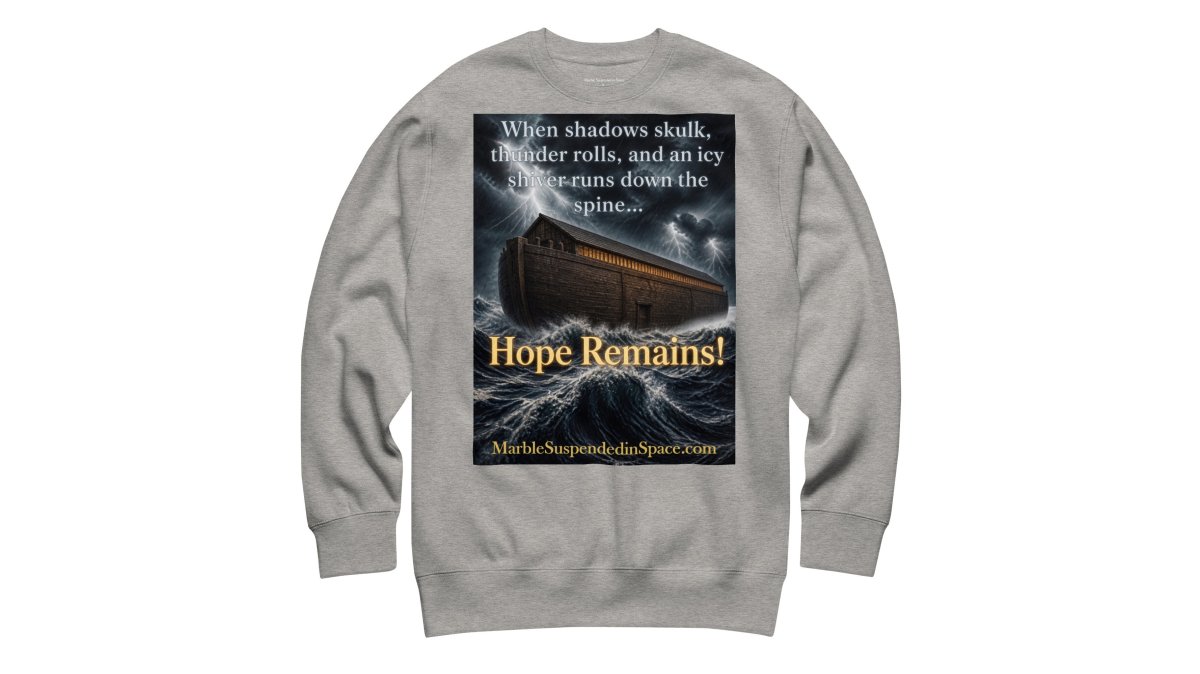
Hope Remains Men's heavyweight long sleeve t-shirt →
A few placement rules to consider:
- Center short verses on the chest or back
- Keep long passages on flat, stable areas
- Avoid placing text over stretch points
- Leave breathing room around the words
- Test the layout with a paper mockup first
Digital printing gives sharp detail on tight knits. Screen printing lays down thicker ink that lasts but can crack if the fabric stretches too much.
Print clarity depends on both the method and the surface. A smooth, tightly knit fabric is the best canvas for scripture designs fabric that needs to stay readable.
Screen-Printed Shirt Care Instructions That Protect the Design
Screen-printed shirt care comes down to three habits: wash cold, turn inside out, and skip the dryer. Heat is what cracks prints and fades ink.
Follow these steps to protect the design:
- Turn the shirt inside out before washing
- Use cold water on a gentle cycle
- Avoid bleach and fabric softener
- Skip the dryer or use low heat
- Hang or lay flat to dry
- Iron inside out, never directly on the print
Prewashing matters for cotton. It helps control shrinkage before you wear or quilt with the fabric.
Colorfastness is the fabric's ability to hold its color through washing. Cold water and gentle detergent protect it.
One Fabric, Many Projects: Apparel, Quilting, Home Decor, and Nursery Decor
One well-made fabric can serve many projects, but each project asks something different of it.
For apparel and clothing, prioritize breathability and comfort.
Here is how to match fabric to project with concrete guidance:
| Project | Suggested Weight / Weave | What to Look For | Why It Matters |
|---|---|---|---|
| Apparel | 5.0-6.2 oz/yd² knit | Combed ring-spun, tight knit, ribbed collar | Comfort for daily wear, print holds shape |
| Quilting | Quilter's weight woven cotton | Tight, even weave, low shrinkage after prewash | Holds seams and keeps blocks square |
| Home decor | Mid to heavy woven | Fade-resistant dye, durable weave | Withstands handling and light |
| Nursery decor | Soft woven or light knit | Washable, gentle surface, no rough seams | Gentle on skin, easy to clean |
| Craft projects | Light to mid weight | Easy to cut, stable, takes print or appliqué | Works across many uses |
Print placement on panels and yardage is where most projects succeed or fail. Before you cut, lay out the verse on a paper mockup at full size.
For repeat scale, check how the scripture print repeats across the bolt. A small repeat can chop a verse mid-phrase if you cut between repeats.
Text orientation matters too. On apparel, keep the verse upright when the garment is worn, not when it is laid flat.
Sustainable materials and custom designs are growing priorities for buyers.
A final word on care: wash prints cold and inside out, and test a small swatch for colorfastness before you commit a whole panel.
Conclusion: Wear the Word with Confidence
Choosing the right fabric takes a little attention, but it pays off every time you reach for that shirt. Scripture deserves a canvas that lasts.
At Marble Suspended in Space, we build our apparel around tightly knit combed ring-spun cotton, reinforced seams, and print-ready surfaces. Many of our pieces are made to order, which helps reduce overproduction.
Explore our scripture-inspired collection and find a garment that carries the Word with the care it deserves.
Frequently Asked Questions
Why does the Bible say not to mix fabrics together?
The instruction appears in the Old Testament law given to Israel, alongside other rules meant to set the people apart. It addressed specific linen and wool combinations used in that time and place. It was not a general rule about modern cotton-polyester blends, which did not exist then. Many believers today read such passages as part of the old covenant rather than a directive for what to wear now. What matters more is that your clothing, and the scripture designs on it, point people toward God rather than away from Him.
What fabric is best for a comfortable, durable T-shirt?
For everyday scripture designs, a tightly knit 100% combed ring-spun cotton in the 6 to 7.5 oz/yd² range balances comfort and durability well. Heavier weights resist stretching and hold print detail longer, while combed ring-spun yarns feel softer against the skin. Blends that add polyester can improve shape retention but may pill over time. Look for side-seamed construction and reinforced stitching at the neck and hem, since those details often outlast the fabric itself. Pre-shrunk fabric also reduces surprises after the first wash.
How can you tell whether a printed shirt is well made?
Turn the garment inside out and check the print layer. A well-made print sits smooth on the fabric with crisp edges and no thick, rubbery buildup. Feel the fabric weight and knit density; a thin, loose knit shows the print through and tends to crack. Look for side seams rather than a single tube, double-needle stitching at stress points, and a collar that springs back when stretched. These are the same quality checks that apply to any printed apparel, faith-themed or otherwise.
How should you wash screen-printed apparel to help it last?
Turn the shirt inside out before washing, use cold water on a gentle cycle, and avoid fabric softener, which can break down the print bond. Skip the dryer when you can, or use low heat, since high heat speeds up cracking and fading. Hang or lay flat to dry. Iron on the reverse side only, never directly on the print. Following these screen-printed shirt care instructions keeps scripture designs readable and colors sharper for far longer.